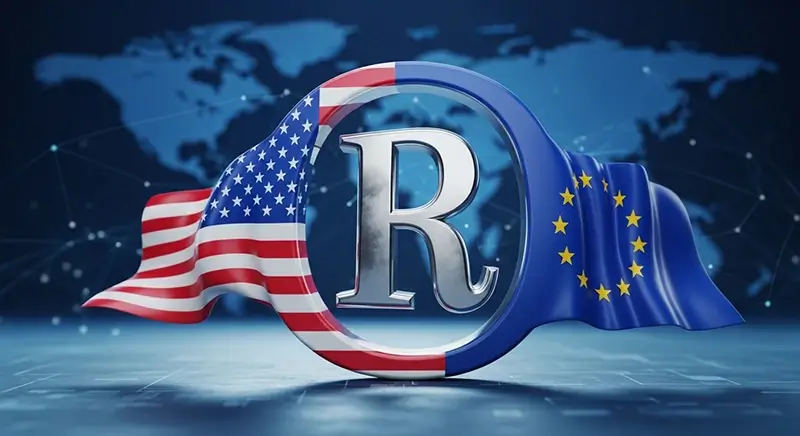
For businesses and entrepreneurs looking to expand globally, understanding trademark systems in key markets like the United States and the European Union is essential. Trademarks are more than just legal registrations—they are valuable assets that protect brand identity, build customer trust, and can even become tradeable commodities. For international buyers, navigating these systems can seem complex, but knowing how they work is the first step toward making informed decisions about buying, licensing, or protecting a brand.
1. Why Trademarks Matter for International Buyers
A trademark gives the owner exclusive rights to use a specific name, logo, or slogan for particular products or services. For international buyers, securing these rights ensures that their brand can operate without interference in a new market. Owning a registered trademark prevents others from copying or confusingly imitating the brand, protecting both reputation and commercial value. Many entrepreneurs also pair trademark ownership with premium domains for sale, creating a unified, legally protected brand presence online and offline.
2. Overview of the U.S. Trademark System
The United States Patent and Trademark Office (USPTO) oversees trademark registrations in the U.S. The process is well-documented and transparent, making it relatively straightforward for both domestic and foreign applicants. Key features include:
✦ First-to-Use Principle: Unlike some countries, the U.S. prioritizes the actual first use of a trademark in commerce. This means businesses that have already started selling products under a name may have rights even before registration.
✦ Registration Process: International buyers can file through the USPTO directly or via the Madrid Protocol, which allows foreign applicants to extend protection from their home country.
✦ Trademark Classes: The U.S. system uses the Nice Classification, which divides goods and services into 45 classes. Proper classification is crucial for protection in the right market sectors.
✦ Opposition and Review: Once filed, trademarks undergo examination for conflicts, distinctiveness, and compliance. Third parties may oppose a registration within a set period, emphasizing the need for careful research before buying a trademark.
3. Overview of the E.U. Trademark System
The European Union Intellectual Property Office (EUIPO) manages trademarks that cover all 27 member states. This single registration gives brand owners broad protection across multiple countries, making it attractive for international buyers seeking efficiency. Key aspects include:
✦ Unitary Coverage: An EU trademark protects a brand in all member countries simultaneously. This simplifies enforcement and eliminates the need to file in each individual state.
✦ Madrid Protocol Participation: Like the U.S., the EUIPO accepts applications via the Madrid Protocol, allowing foreign trademark holders to extend protection into Europe easily.
✦ Examination and Opposition: Applications are examined for conflicts and distinctiveness. Third parties can oppose the registration, and decisions can be appealed within the EU legal framework.
✦ Language and Translation: Applicants must provide details in one of the EUIPO's official languages. Translation requirements and legal nuances mean that international buyers may need professional guidance.
4. Key Differences Between U.S. and E.U. Systems
While both systems aim to protect brand identity, there are several differences international buyers should note:
✦ Scope: A U.S. trademark only protects the brand within the United States. An EU trademark provides coverage across all EU member states.
✦ Legal Framework: U.S. trademark law relies heavily on prior use and common law rights, while the EU system is registration-based.
✦ Classification and Fees: Although both use the Nice Classification, filing and maintenance fees differ. EU filings often cover multiple countries at a single fee, while U.S. filings are nation-specific.
✦ Enforcement and Disputes: Enforcement mechanisms vary. U.S. trademarks are subject to federal courts and USPTO proceedings. EU trademarks involve EUIPO and, potentially, national courts within member states.
5. Why International Buyers Should Consider Verified Trademarks
For foreign investors, buying a U.S. trademarks for sale through verified platforms reduces risk. Verified trademarks have clear ownership, legal documentation, and, in many cases, an associated premium domain. This ensures the buyer not only gains legal rights but also a complete brand package for immediate use. Access to U.S. trademarks for sale and European trademarks for sale provides international buyers with opportunities to enter new markets efficiently.
6. Practical Tips for Buyers
✦ Conduct Thorough Searches: Before buying, verify that the trademark is clear of conflicts in the intended market.
✦ Consider Matching Domains: Securing a domain that aligns with your trademark strengthens your online presence.
✦ Check Classifications: Ensure the trademark covers the correct classes for your products or services.
✦ Understand Maintenance: Both systems require ongoing use and renewal to keep rights active.
✦ Seek Professional Guidance: International trademark law can be complex. Using legal advisors or verified trademark platforms helps navigate the process safely.
7. Strategic Value of Cross-Market Ownership
Owning trademarks in both the U.S. and the EU provides broad protection, strengthens brand credibility, and increases market flexibility. Combined with premium domains, this dual ownership creates a robust global brand identity. Entrepreneurs can leverage these assets for licensing, expansion, or resale, maximizing long-term business value.
8. Conclusion
For international buyers, understanding the nuances of U.S. and E.U. trademark systems is critical. These markets represent some of the most active and legally secure environments for brand ownership. Whether you aim to buy a registered trademark, explore verified trademarks for sale, or pair a trademark with a premium domain, knowledge of both systems ensures smarter, more strategic decisions.
In today's global economy, trademarks are more than legal tools—they are tradeable assets, brand builders, and key components of long-term business success. International buyers who navigate these systems carefully can secure a competitive edge and position their brands for growth across continents.