
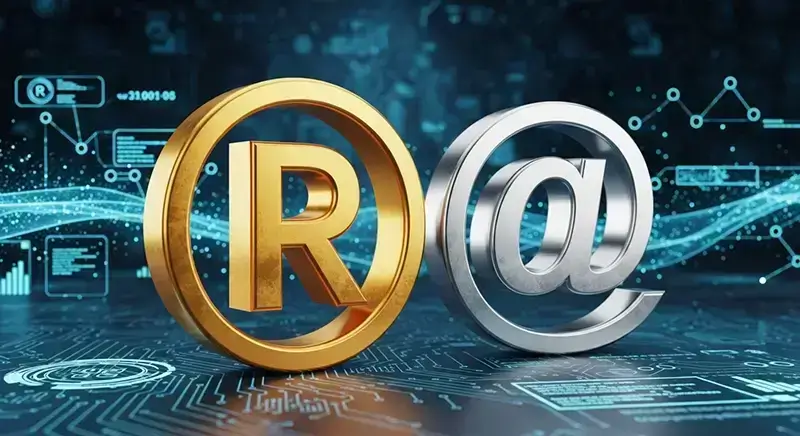
In the rapidly evolving digital landscape, two assets have emerged as cornerstones of brand identity: domain names and trademarks. Once viewed separately, they are now increasingly intertwined, forming a unified strategy for businesses seeking to establish, protect, and expand their online presence. As global commerce becomes more interconnected, understanding how domains and trademarks intersect is crucial for entrepreneurs, investors, and brand managers alike.
1. The Rise of Digital Assets
Digital assets are no longer limited to websites or social media profiles. Domains and trademarks have become valuable, tradeable commodities. A domain name is more than just a web address—it's a first impression, a marketing tool, and often the centerpiece of a brand's digital footprint. Similarly, trademarks provide legal protection, ensuring exclusivity and the ability to prevent others from using confusingly similar names or logos. Together, they form a dual layer of identity: one visible to the world, one protected by law.
2. Why Integration Matters
Historically, companies might have selected a domain and a trademark separately, but this approach carries risks. Without alignment, a brand could face conflicts with existing trademarks, domain squatters, or legal disputes. Integrating domain ownership with trademark registration ensures a cohesive brand identity. Many entrepreneurs now seek premium domains for sale that match available trademarks, or they purchase U.S. trademarks for sale alongside domain rights. This strategy provides both visibility and legal protection, reducing uncertainty and strengthening long-term brand value.
3. The Strategic Advantage of Short, Memorable Domains
Short, memorable domains remain highly prized. They are easier to recall, type, and share, which translates directly into marketing efficiency. When paired with a registered trademark, these domains become even more powerful. A concise, legally protected brand name conveys professionalism and trust, making it easier for businesses to attract customers, partners, and investors. Platforms offering verified trademarks with matching domains are increasingly popular, enabling entrepreneurs to secure complete brand packages in one transaction.
4. Legal Protection in a Global Market
Trademarks protect brands from infringement and confusion, but their effectiveness increases when aligned with a strong digital presence. Owning both a registered trademark and its corresponding domain name gives companies control over their intellectual property online and offline. This is particularly important in global markets where cross-border transactions and e-commerce create opportunities—and risks. Verified trademark marketplaces allow businesses to buy a registered trademark and pair it with a premium domain, ensuring clarity of ownership and smooth transfer processes.
5. The Investment Perspective
Digital assets, including domains and trademarks, are increasingly viewed as investment opportunities. Premium domains appreciate over time, particularly when paired with distinctive, registered trademarks. Businesses and investors can buy, sell, or license these assets, creating a dynamic secondary market. Short, brandable domains with legal protection often command the highest value, reflecting both scarcity and strategic potential. By investing in these assets early, companies can secure a competitive edge in crowded markets.
6. Brand Consistency and Recognition
Consistency is key in branding, and owning both a domain and a trademark ensures uniformity across platforms. Customers encounter the same brand identity on websites, social media, marketing materials, and product packaging. This consistent presentation reinforces recognition, builds trust, and strengthens brand equity. Entrepreneurs who integrate their digital and legal assets are better positioned to grow and scale, particularly in industries like e-commerce, technology, and consumer goods.
7. Marketplaces and the Future of Digital Asset Trading
The rise of Global Trademark Exchanges and premium domain marketplaces has revolutionized how brands acquire and manage their assets. These platforms provide verified listings, transparent pricing, and secure ownership transfers. They also support cross-border transactions, making it easier for businesses to enter new markets without legal complications. As digital commerce continues to expand, these marketplaces will play an increasingly central role in facilitating the trade of intellectual property and digital real estate.
8. Emerging Trends: AI, Web3, and Beyond
The next frontier for domains and trademarks is integration with emerging technologies. AI-driven brand evaluation, blockchain-based ownership verification, and Web3 marketplaces are beginning to reshape how businesses value, buy, and sell digital assets. Trademarks may increasingly be registered and traded alongside domain names as NFTs or other digital tokens, creating new opportunities for brand monetization. Forward-thinking entrepreneurs will need to stay ahead of these trends to maximize the value of their digital portfolios.
9. Practical Steps for Businesses
To leverage the synergy between domains and trademarks, companies should start by evaluating their brand strategy holistically. Identify available trademarks, secure matching trademarks for sale and premium domains for sale, and ensure legal protection in target markets. Platforms providing these tools allow businesses to acquire verified assets safely and efficiently. Maintaining a cohesive portfolio allows businesses to scale confidently and protect their investment as they grow globally.
10. Conclusion
The future of digital assets lies in the intersection of domains and trademarks. Businesses that understand and capitalize on this connection gain more than a website or a legal title—they gain control, recognition, and long-term value. As digital commerce and global brand trading continue to expand, owning a verified trademark paired with a premium domain is no longer optional; it's a strategic imperative. By aligning visibility with legal protection, companies can build resilient, recognizable brands that thrive in the digital age.
Owning both a domain and a trademark is more than a technical detail—it's the foundation of a brand's identity, credibility, and growth potential in the 21st-century marketplace.