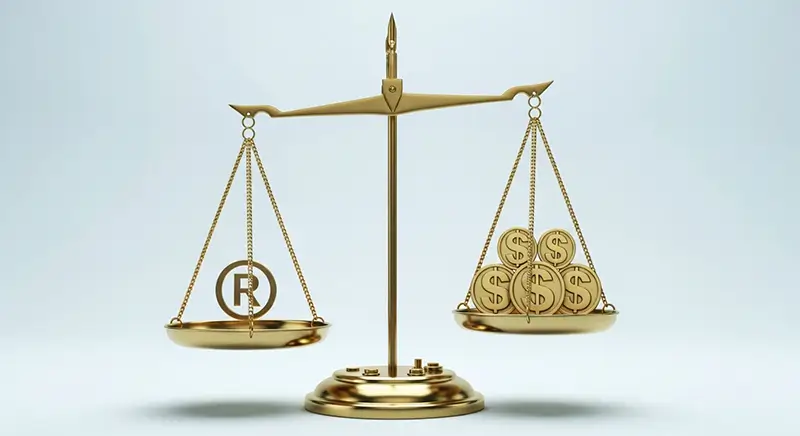
In today's fast-paced digital economy, brands are no longer built from scratch alone — they are traded, transferred, and strategically acquired. The concept of a Global Trademark Exchange represents this modern shift. It's not just a marketplace where people buy trademarks or sell trademarks; it's a global ecosystem where verified ownership, secure transactions, and long-term brand growth intersect.
Businesses around the world now see registered trademarks and premium domains for sale as strategic investments. Just like owning real estate, owning a verified brand asset can generate value, attract trust, and open new market opportunities. Let's explore how the rise of global trademark exchanges is reshaping the future of brand ownership.
1. The Evolution of Trademark Trading
A decade ago, trademark trading was a niche practice — limited mostly to corporate mergers or intellectual property specialists. Today, it has become an open market, accessible to entrepreneurs, startups, and investors alike. Platforms dedicated to trademarks for sale have emerged as trusted spaces for verified listings, clear ownership, and transparent transfer processes.
The appeal lies in convenience and security. Instead of waiting months to register a new mark, buyers can now buy U.S. trademarks for sale that are already approved and ready for immediate use. This not only saves time but also offers stronger protection in competitive markets like the U.S., Europe, and Asia.
2. Why Trademark Exchanges Matter More Than Ever
Global competition makes branding speed critical. A company launching a new product cannot afford to wait a year for a registration certificate. Trademark exchanges bridge that gap — they connect verified sellers with motivated buyers through a secure, data-driven process.
These platforms ensure each registered trademark for sale is authentic, legally valid, and fully transferable. The same applies to premium domains for sale, which often come attached to the trademarks themselves. When a business owns both, it gains instant credibility — an essential advantage in the online marketplace.
A Global Trademark Exchange enables this at scale, ensuring global access and smooth ownership transfer across borders.
3. How Buyers Evaluate Value in the New Trademark Market
The modern buyer is informed and strategic. They don't just purchase a name; they assess its commercial power, legal scope, and emotional appeal. Some key factors include:
Registration Status: Active, verified marks with full U.S. registration are highly sought after.
Class Coverage: Trademarks covering profitable industries — like supplements, skincare, or technology — hold stronger appeal.
Naming Strength: Short, distinctive words or letter combinations stand out in crowded markets.
Domain Match: A trademark paired with an exact-match domain (for example, BrandName.com) significantly increases its value.
Transfer Readiness: Marks with verified ownership and clean legal records are easier to transfer securely.
These criteria are becoming standardized on global platforms, making it simpler for anyone to buy a registered trademark with confidence.
4. U.S. Trademarks: The Gold Standard of Brand Ownership
Among all markets, U.S. trademarks for sale hold exceptional value. The U.S. Trademark Office's strong legal framework, combined with its global influence, makes U.S.-registered marks ideal for international use.
Businesses that buy U.S. trademarks not only gain nationwide protection but also open the door to global recognition. Many overseas companies now start their brand expansion by acquiring existing U.S. marks — a move that instantly strengthens their market credibility.
Platforms specializing in verified U.S. trademarks for sale streamline this process by providing ownership verification, filing history, and assignment support, ensuring every transfer meets USPTO standards.
5. Domains and Trademarks: The Power of Unified Identity
In the digital age, a strong brand must own both its name and its online address. That's why premium domains for sale are often traded alongside registered trademarks. A unified brand identity — trademark plus domain — helps businesses launch faster, attract investors, and build consumer trust.
For example, owning “Fresha.com” alongside the registered trademark “FRESHA” gives a company total control over its online presence. That kind of alignment creates instant legitimacy in both digital and legal environments.
Forward-looking exchanges now encourage sellers to list trademarks and domains together, offering buyers complete, ready-to-use brand packages.
6. Secure Transactions and Verified Ownership
Trust is the foundation of any trademark exchange. Buyers want assurance that what they're purchasing is authentic, transferable, and safe. Leading platforms therefore emphasize verified ownership, escrow-protected payments, and transparent documentation for every transaction.
This means when you buy a registered trademark through a reputable exchange, you know the ownership transfer is legitimate, recorded, and enforceable. It's a major step toward making global brand deals as simple and safe as buying real property.
7. The Rise of Brand Investors and Portfolio Traders
Just as investors trade stocks or digital assets, many now trade brand rights. Entrepreneurs are recognizing the long-term value of owning and reselling registered trademarks and premium domains.
These brand investors often specialize in specific sectors — for instance, health, fashion, or technology — where the demand for strong names is constant. Over time, the most successful traders learn to identify marks with both aesthetic and commercial potential, turning intellectual property into an appreciating asset class.
8. The Role of Technology in Trademark Exchange Platforms
Artificial intelligence and global databases are changing how trademarks are listed, searched, and valued. Modern exchanges integrate data from official IP offices, such as the USPTO and EUIPO, to verify registration details and prevent conflicts.
AI tools now help estimate the potential market value of trademarks for sale and premium domains for sale by analyzing naming trends, industry keywords, and historical sales. This data-driven approach not only benefits buyers but also helps sellers set realistic, transparent prices.
9. Beyond Buying: Building Global Brand Trust
Purchasing a trademark is only the beginning. Once ownership is transferred, maintaining and expanding the brand's value becomes the next mission. Businesses can strengthen their assets through consistent marketing, renewed registrations, and expansion into new countries.
Trademark exchanges often support this by offering renewal reminders, monitoring tools, and global filing services — turning the initial purchase into a foundation for long-term brand growth.
10. The Future: A Borderless Marketplace for Brand Assets
As international trade and e-commerce expand, the need for global IP liquidity will grow. The Global Trademark Exchange represents a new era where intellectual property is treated like a tangible, tradeable commodity — transparent, verified, and instantly transferable.
In this ecosystem, businesses won't just create brands; they'll acquire them strategically, trade them across regions, and combine them with premium domains to achieve instant global visibility.
Final Thoughts
We're entering an era where brand ownership is borderless. Verified trademarks for sale, U.S. trademarks for sale, and premium domains for sale are empowering businesses to launch faster, safer, and stronger than ever.
A Global Trademark Exchange doesn't just simplify transactions — it redefines what it means to own a brand. Whether you're looking to buy a trademark, buy a registered trademark, or expand your brand portfolio, this new model opens the door to smarter, more secure, and truly global opportunities.